
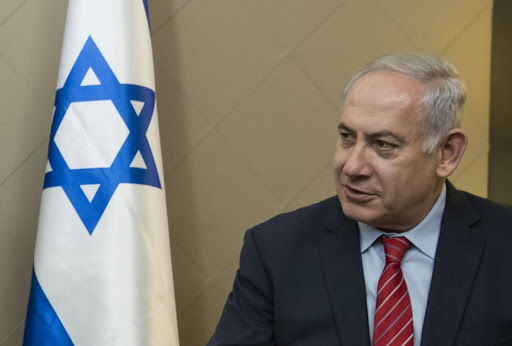
Israeli Prime Minister Benjamin Netanyahu took to the podium Friday with sweeping claims about Iran’s degraded military and nuclear capabilities, asserting that after three weeks of conflict, Tehran can no longer enrich uranium or build ballistic missiles. He also firmly denied that Israel had dragged the United States into war, characterizing such reports as deliberate misinformation. Netanyahu radiated confidence throughout the press conference, repeatedly suggesting the war was going better than the outside world understood.
The relationship between Netanyahu and US President Donald Trump took center stage during the briefing. Netanyahu described their coordination as unprecedented between two world leaders, saying Trump leads and he stands as a proud ally. He noted that Trump had in fact explained the Iranian nuclear threat to him rather than the other way around, framing their partnership as one of complementary and aligned thinking.
Israel’s strike on the South Pars gas field was confirmed by Netanyahu as a solo Israeli operation, carried out without direct American participation. He also disclosed that Trump requested a pause on additional strikes targeting Iran’s gas infrastructure following the Asaluyeh operation. Netanyahu presented this exchange as evidence of active and respectful communication between the two governments.
On the question of the Strait of Hormuz, Netanyahu said Iran’s threats amounted to nothing more than international blackmail. He outlined his vision for new pipeline routes across the Arabian Peninsula connecting to Israeli and Mediterranean ports, bypassing the strait entirely. In Netanyahu’s strategic view, reducing dependence on Hormuz was not just a wartime measure but a long-term geopolitical imperative.
Netanyahu also highlighted signs of fragmentation within Iran’s post-war leadership hierarchy. The new supreme leader had not been seen publicly, and Netanyahu openly questioned who was truly running the country at this moment. He interpreted these uncertainties as evidence that Iran’s leadership was fracturing under the pressure of sustained military strikes.