
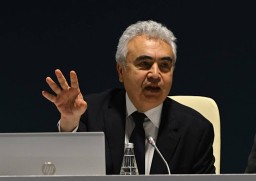
The Iran energy crisis has created a once-in-a-generation opportunity to replace outdated global energy security architecture with a stronger, more comprehensive framework fit for the challenges of the twenty-first century, the head of the International Energy Agency has argued. Fatih Birol, speaking in Canberra, said the severity of the crisis — equivalent to the combined force of the 1970s twin oil shocks and the Ukraine gas emergency — had exposed the inadequacies of existing frameworks so clearly that a fundamental redesign was now politically possible in a way it had not been before. He called on governments to seize the moment.
Birol said the existing global energy security architecture had been designed primarily in response to the 1970s oil crises and had not been fundamentally reformed since. While it had provided real protection against smaller disruptions, the Iran crisis had demonstrated that it was insufficient for the scale of challenges the twenty-first century was producing. He outlined key areas for reform: larger and better-coordinated strategic reserves, stronger protections for critical infrastructure, faster coordination mechanisms, and broader participation from emerging market economies.
The conflict began February 28 with US and Israeli strikes on Iran and has since removed 11 million barrels of oil per day and 140 billion cubic metres of gas from world markets. At least 40 Gulf energy assets have been severely damaged, and the Hormuz strait — through which approximately 20 percent of global oil flows — remains closed. The IEA deployed 400 million barrels from strategic reserves on March 11 in its largest emergency action.
Birol confirmed further releases were under consideration and said the IEA was consulting with governments across Europe, Asia, and North America. He called for demand-side policies including remote work, lower speed limits, and reduced commercial aviation. He met with Australian Prime Minister Anthony Albanese and said Australia had a genuine opportunity to help shape the new energy security architecture as an engaged and constructive middle power.
Trump’s 48-hour ultimatum to Iran to reopen the strait expired without result, and Tehran threatened retaliatory strikes on US and allied energy and water infrastructure. Birol concluded that the political window for fundamental reform opened by major crises was always finite. He called on world leaders to act with ambition and speed to build the new energy security architecture that the current crisis had made both urgently necessary and politically achievable.