
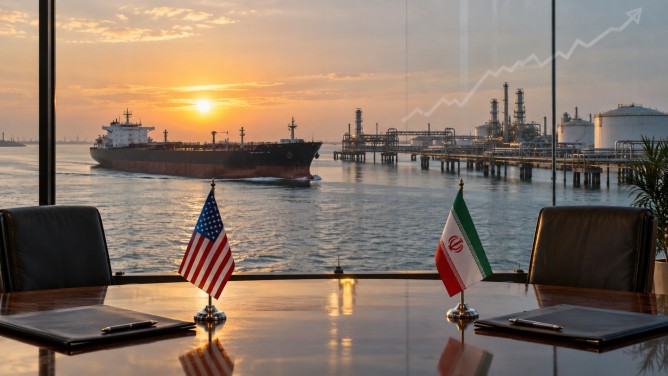
As geopolitical tensions simmer across the Middle East, oil markets are closely monitoring potential diplomatic engagements between the United States and Iran. Investors are particularly focused on the upcoming United Nations General Assembly in New York, where a meeting between U.S. President Donald Trump and Iranian President Masoud Pezeshkian could take place. This diplomatic backdrop has contributed to a rebound in oil prices, which had suffered four consecutive sessions of losses.
Brent crude futures for November saw a rise of 1.7%, reaching approximately $102 a barrel. Meanwhile, U.S. West Texas Intermediate (WTI) crude for October increased by the same percentage, climbing to nearly $97 a barrel. The more actively traded November WTI contract also posted gains, reflecting investor optimism about potential diplomatic progress.
Beyond the possible U.S.-Iran talks, the oil market remains sensitive to ongoing regional tensions. Recent disruptions in Saudi Arabia’s East-West pipeline have prompted the kingdom to boost crude exports through the Strait of Hormuz, alleviating some supply concerns. However, the situation remains fragile as Yemen’s Iran-aligned Houthi group continues its attacks, exacerbating instability in the area. China has urged Iran to play a role in reducing these attacks, highlighting the broader international implications.
In Libya, production woes added another layer of complexity to the oil market. An armed group reportedly shut a valve on the Sharara crude pipeline, leading to a significant drop in output from the major oilfield, with an estimated reduction of 200,000 barrels per day. This disruption underscores the persistent volatility in global oil supplies.
The combination of potential diplomatic breakthroughs and regional conflicts keeps the energy sector on edge. As the situation unfolds, all eyes are on New York and the broader geopolitical landscape, which will likely dictate the trajectory of oil prices in the coming days.