
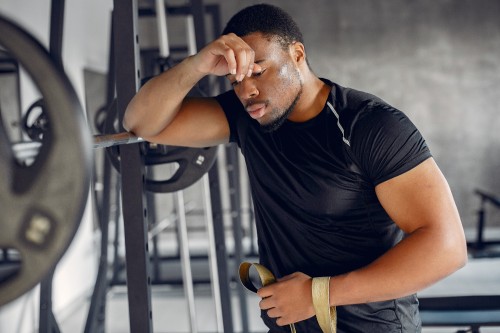
Maintaining a healthy weight requires regular exercise, but simply ramping up the intensity and duration of workouts doesn’t always equate to better outcomes. Fitness specialists highlight that excessive exercise without adequate recovery time can impede fat loss and negatively impact overall health. This condition, known as overtraining, occurs when the body is subjected to high-intensity or high-volume exercise without sufficient rest, leading to sustained stress rather than improved fitness levels. As a result, the body struggles to burn fat, build muscle, and maintain energy.
Several warning signs can indicate overtraining, including a plateau in fat loss or strength gains, poor sleep quality, persistent fatigue, diminished motivation, heightened anxiety or irritability, reduced libido, and an increased resting heart rate or delayed recovery post-exercise. These symptoms suggest that the body is under prolonged physical stress, which can keep cortisol—the primary stress hormone—elevated. Chronically high cortisol levels can slow fat loss, promote fat storage (especially around the abdomen), break down muscle tissue, lower testosterone levels, impair thyroid function, delay recovery, and reduce overall performance.
Adding to the challenge, daily life stressors such as work pressure, sleep deprivation, and emotional strain can compound the stress linked to excessive exercise, further taxing the body’s hormonal system. To mitigate these effects and prevent overtraining, a balanced approach to fitness is essential. Experts advise incorporating strength training sessions three to four times a week at an appropriate intensity, ensuring adequate protein intake and daily caloric consumption, and prioritizing quality sleep with a regular schedule. Additionally, integrating recovery activities like walking, stretching, mobility exercises, and relaxation techniques can support the body’s recovery process.
If progress plateaus despite following a healthy routine, especially when hormonal imbalance is suspected, seeking medical advice is recommended. Sustainable fat loss and fitness gains are achieved through a combination of consistent exercise, balanced nutrition, effective training, and ample recovery. Allowing the body sufficient time to rest and recuperate enables it to adapt, recover, and ultimately perform better over time, underscoring the importance of a well-rounded fitness regimen.