
The geopolitical landscape between Iran and Western nations remains tense, as evidenced by the recent developments at the United Nations General Assembly. During a session in New York, Iranian President Masoud Pezeshkian delivered a speech that drew sharp criticism from the United States, highlighting the ongoing friction between Tehran and Washington.
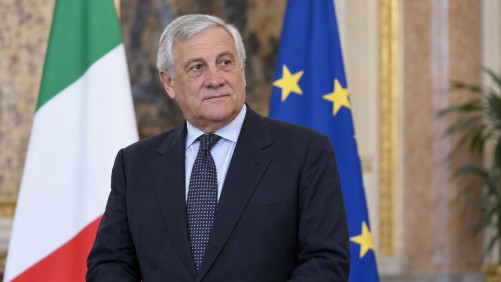
In response to President Pezeshkian’s address, Italy’s Deputy Prime Minister and Foreign Minister, Antonio Tajani, has called for Iran to reconsider its stance. Tajani described the Iranian leader’s remarks as “very hard” and urged Iran to adopt a less confrontational approach in its international dealings. He emphasized Italy’s support for a diplomatic resolution to the ongoing tensions, particularly concerning Iran’s nuclear ambitions.
Tajani’s remarks underscore Italy’s advocacy for maintaining open diplomatic channels while addressing contentious issues. He stressed the importance of dialogue and encouraged Iran to change its tone, suggesting that a more conciliatory approach could better serve Tehran’s interests on the global stage.
The Italian foreign minister’s comments come amid heightened scrutiny of Iran’s nuclear activities, with many Western nations expressing concerns over Tehran’s intentions. As such, Tajani’s appeal reflects a broader effort by European nations to mediate and find peaceful solutions to the challenges posed by Iran’s foreign policy.
Overall, the situation continues to unfold as global leaders grapple with complex diplomatic challenges. Italy’s call for Iran to reconsider its posture may signal a broader diplomatic push to de-escalate tensions and foster more constructive international relations.