
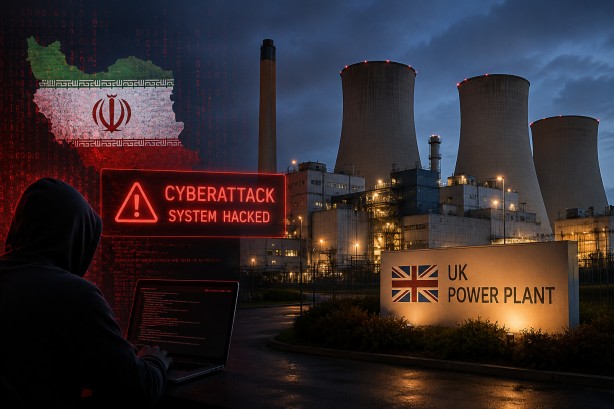
In a recent cybersecurity incident, a minor power generation facility in the UK was forced offline for four days due to a cyberattack attributed to hackers associated with Iran. Although the attack temporarily disrupted operations at this small-scale generator, UK authorities have reassured the public that the nation’s broader energy infrastructure remains unaffected. The Department for Energy Security and Net Zero highlighted that the national electricity network and energy supply were not compromised, underscoring the resilience and security of the UK’s energy system.
The National Cyber Security Centre (NCSC) confirmed that no major, regulated power stations reported any disruptions as a result of this incident. This assurance comes amidst mounting geopolitical tensions between the UK and Iran. The UK has permitted the United States to carry out defensive operations against Iran from American bases situated on British soil, a move that has provoked warnings from Iran. Tehran has stated that any bases used for attacks against its territory might be regarded as legitimate targets in the future.
Western security agencies have previously expressed concerns about Iran-linked cyber groups targeting critical infrastructure. Notably, the US has accused the CyberAv3ngers, a group allegedly tied to Iran, of infiltrating infrastructure systems across various sectors. These ongoing developments highlight the persistent threat from state-affiliated entities and the potential risks they pose to essential services.
This latest incident has sparked renewed discussions about the vulnerability of key infrastructure components to state-sponsored cyberattacks. As hostile nations increasingly employ cyber tactics, the need for robust cybersecurity measures becomes ever more pressing. Governments and organizations are urged to remain vigilant and enhance their defenses to safeguard critical infrastructure from such sophisticated threats.