
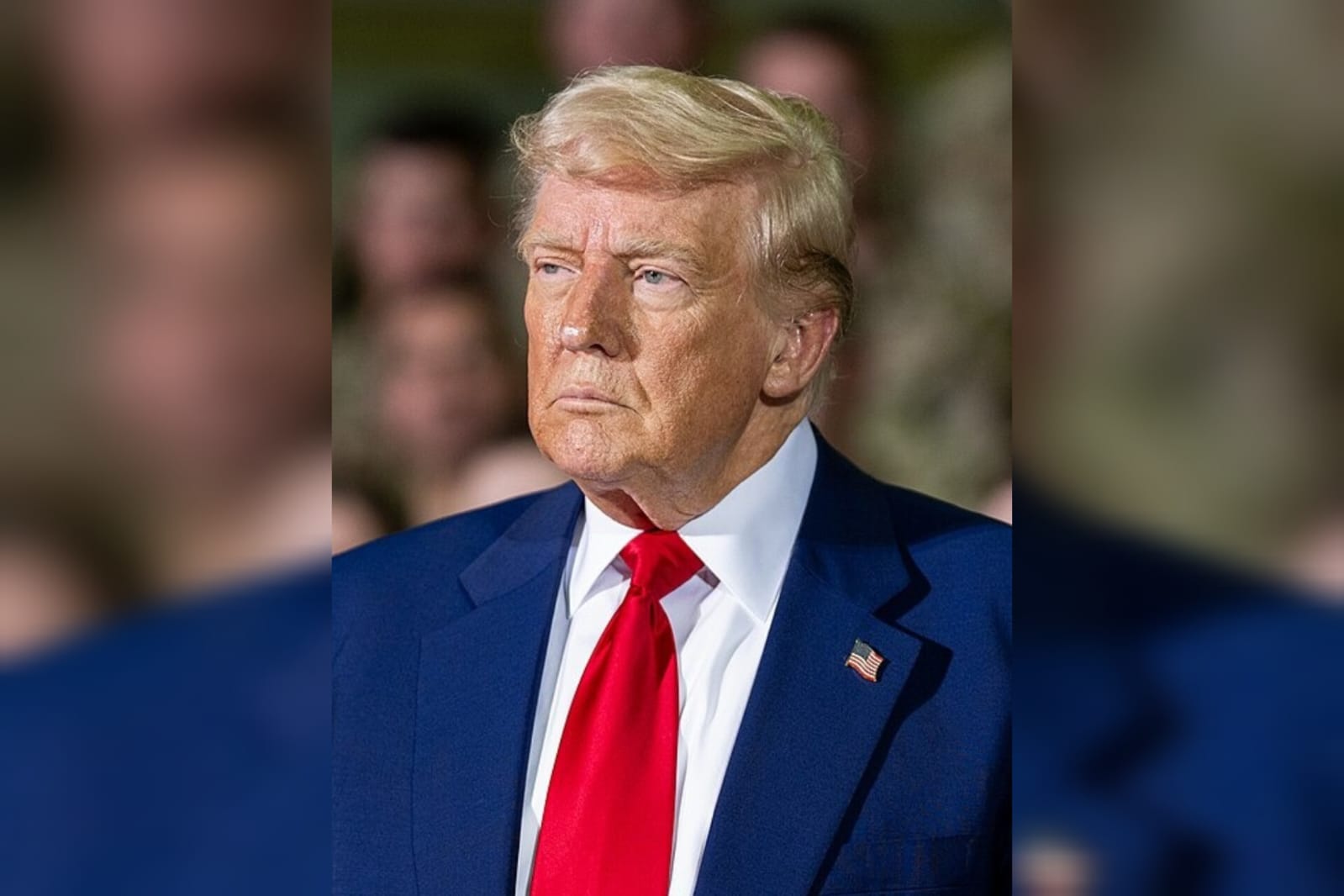
In a recent development, U.S. President Donald Trump announced that a newly finalized agreement between the United States and Iran has been designed to significantly mitigate the security threats faced by Israel. Speaking to Israeli Prime Minister Benjamin Netanyahu, Trump emphasized that the deal effectively neutralizes the potential danger of a nuclear attack originating from Tehran. After the signing of the 14-point memorandum, Trump addressed the media, explaining that he reassured Netanyahu about Israel’s primary concern regarding an Iranian nuclear strike being alleviated by this accord. He labeled the agreement as a substantial security assurance for Israel, stating it guarantees that “they’re not going to be nuked” and hailed it as the most crucial benefit for Israel.
Trump noted that he had a direct conversation with Netanyahu ahead of the signing, positioning the agreement as a strategic measure aimed at boosting Israel’s long-term safety. He expressed confidence that Israel would view this outcome positively, even amid ongoing regional tensions. The deal outlines a 60-day negotiation window concentrating on Iran’s nuclear ambitions, complemented by initiatives to reopen vital trade channels and relax specific sanctions. It also encompasses elements related to regional stability, although it leaves certain contentious issues unresolved, such as Israel’s military activities in Lebanon, which remain politically sensitive.
While the U.S. administration portrays the agreement as a significant security achievement, it has sparked mixed reactions within Israel. Detractors argue that decreasing pressure on Iran might bolster its influence across the region, whereas proponents of diplomatic engagement suggest it could lower the chances of broader conflict. The Israeli leadership is also encountering domestic criticism over its regional policy management, with political adversaries claiming that the latest developments highlight strategic errors.
As negotiations advance, the complete implementation and long-term ramifications of the agreement remain uncertain. However, supporters within the American administration maintain that the deal represents a strategic triumph by addressing Israel’s primary security fears and potentially paving the way for more stable relations in the volatile region.