
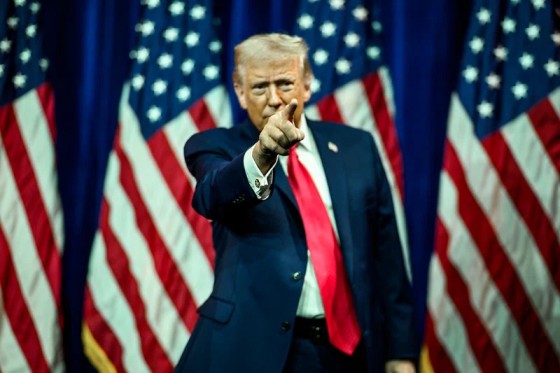
The United States has issued a stern warning to Oman regarding any potential cooperation with Iran’s proposed control over the Strait of Hormuz, a vital artery for global oil shipments. During a recent cabinet meeting, President Donald Trump emphasized the importance of keeping the strait accessible to all nations, firmly stating that no country would be permitted to exert control over it. This warning follows reports of discussions between Iran and Oman about imposing transit fees on vessels navigating through the crucial maritime passage.
Trump underscored America’s commitment to monitoring the strait to ensure the continued freedom of navigation. He cautioned that Oman would face significant repercussions if it did not align its actions with international expectations. In a pointed remark, he asserted that Oman must “behave just like everybody else,” highlighting the potential diplomatic tensions in the region.
The Strait of Hormuz, responsible for the transit of nearly 20% of the world’s oil supply, has become a focal point of concern amid escalating hostilities linked to the US-Israel conflict with Iran. The growing apprehension about the stability of global energy supplies and the security of the region has drawn international attention and scrutiny.
As a longstanding ally of the United States, Oman has historically played a role as a mediator in regional disputes and diplomatic efforts involving Iran and Western nations. The country’s strategic position and diplomatic stance are crucial in the unfolding geopolitical dynamics surrounding the strait.
In addition to addressing the situation with Oman, Trump accused Iran of deliberately stalling ongoing negotiations. He suggested that Iran might be biding its time, anticipating shifts in the political landscape in the United States as the midterm elections approach. This accusation adds another layer of complexity to the already tense relations between the US and Iran.