
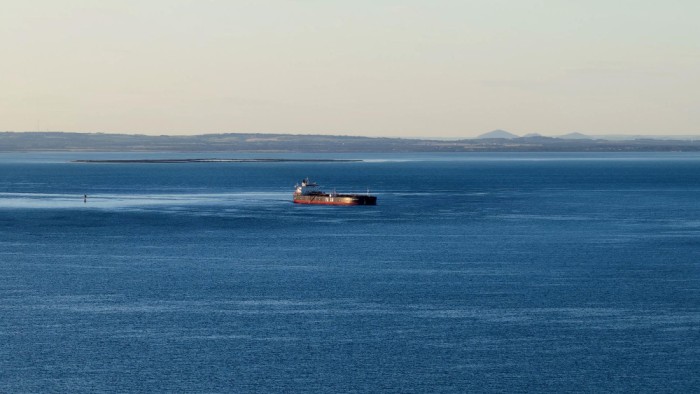
Following a surge in military tensions, the United States and Iran have agreed to halt strikes and engage in discussions in Doha aimed at resolving conflicts concerning the Strait of Hormuz. This pause in military actions comes after a series of exchanges that heightened concerns about the potential breakdown of a tenuous ceasefire, which could lead to a broader conflict in the Middle East. U.S. officials have confirmed that military activities will be temporarily suspended to allow commercial vessels to navigate the critical shipping passage once more.
The recent spike in hostilities originated from attacks on commercial ships traversing the Strait of Hormuz. The United States attributed these attacks to Iran, accusing it of jeopardizing maritime security, which led to U.S. retaliatory strikes on Iranian military targets. Iran, disputing any involvement in the initial attacks, launched counterstrikes against U.S. positions situated in Kuwait and Bahrain. In response to the U.S. military actions, Iranian authorities condemned them as breaches of international protocols, while the U.S. maintained its measures were justified retaliations to Iranian ceasefire infractions.
The forthcoming discussions in Doha, initially intended to focus on Iran’s nuclear activities, have shifted to address the recent military escalation. These talks will delve into technical matters related to the Strait of Hormuz, emphasizing the secure passage of ships and laying out future strategies for managing this crucial maritime corridor. Both nations recognize the significance of the strait, not just as a regional asset, but as a vital global energy conduit.
As one of the world’s pivotal energy routes, the Strait of Hormuz facilitates a substantial portion of international oil and gas transportation. The agreement to pause hostilities and engage in dialogue aims to reestablish normal shipping operations and avert further disturbances in this strategically important region. By addressing the immediate security concerns, the goal is to ensure that the flow of energy resources remains uninterrupted, thus stabilizing the situation and reducing the risk of broader regional conflict.