
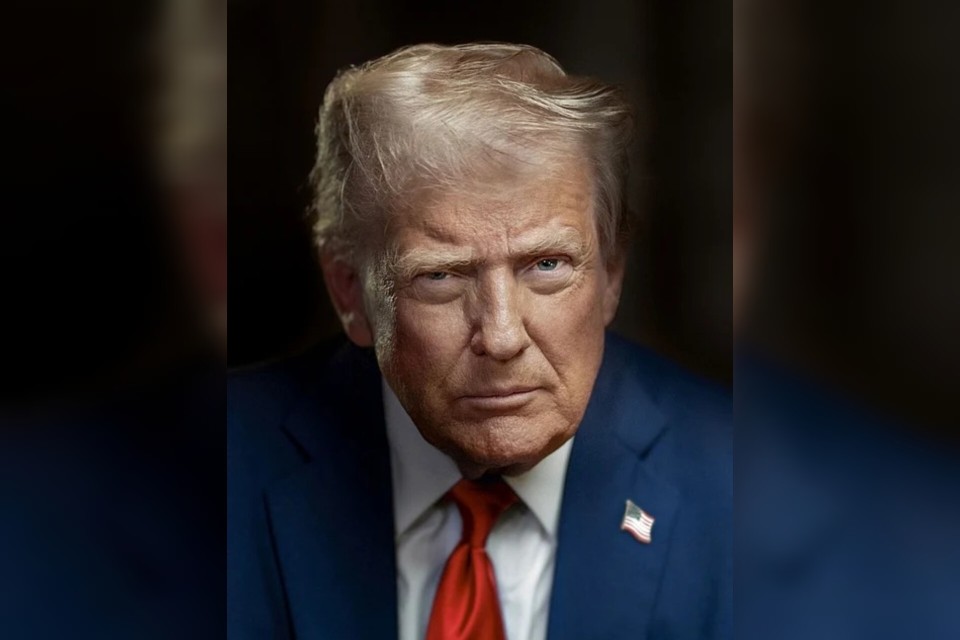
US President Donald Trump has announced that a peace deal with Iran is nearing finalization after a series of intensive negotiations involving key Middle Eastern countries, Pakistan, and Israel. Trump indicated that the agreement aims to reopen the Strait of Hormuz and work towards resolving the ongoing conflict that erupted earlier this year. While he described the deal as “largely negotiated,” he noted that a few details need to be completed before any official declaration is made. The discussions were said to have included leaders from nations such as Saudi Arabia, Qatar, Turkey, Egypt, the UAE, Jordan, Bahrain, and Pakistan, in addition to Israeli Prime Minister Benjamin Netanyahu.
Despite Trump’s statements, Iranian representatives have challenged parts of his claims, specifically those related to the control over the Strait of Hormuz. Iranian officials emphasized that the strategic waterway would remain under their jurisdiction, with Iran retaining authority over shipping routes and permits. Meanwhile, Pakistan’s Prime Minister Shehbaz Sharif expressed optimism about the diplomatic progress and suggested that Pakistan might host another round of talks between the United States and Iran. General Syed Asim Munir, Pakistan’s army chief, has been notably active in mediation and recently engaged in dialogues with Iranian leaders in Tehran.
The proposed draft reportedly features measures such as a 60-day extension of the ceasefire, the reopening of the Strait of Hormuz without any toll charges, and the easing of curbs on Iranian oil exports. Additionally, there is a prospect of renewed discussions over Iran’s nuclear ambitions. In exchange, the United States might consider relaxing restrictions on Iranian ports and unfreezing Iranian assets as part of a comprehensive settlement.
Even with the diplomatic efforts underway, tensions remain palpable. Trump cautioned that military options remain on the table should the negotiations falter. Some critics, particularly from the Republican Party, have voiced concerns, arguing that the proposed terms mirror previous nuclear deals that faced strong opposition from them.
The potential agreement has ignited considerable debate in Washington. Proponents view it as a crucial step to avoid further conflict and economic instability, whereas detractors warn that it could potentially bolster Iran’s influence within the region.