
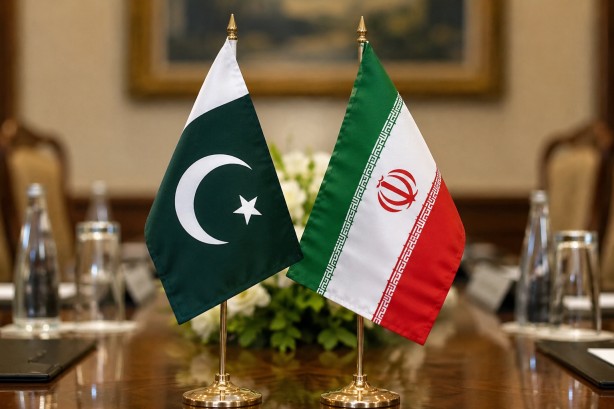
In a bid to ease regional tensions and breathe new life into stalled negotiations, Pakistan and Iran have made notable strides in their latest diplomatic discussions. Meetings held in Tehran brought together Pakistan’s military leader, Field Marshal Asim Munir, and Interior Minister Mohsin Naqvi with Iranian President Masoud Pezeshkian and other top-ranking officials. The dialogues primarily centered on preventing further conflict, reopening the strategic Strait of Hormuz, and fostering a political resolution to the ongoing unrest involving Iran.
The diplomatic visit by the Pakistani delegation has been hailed as productive by Iranian authorities, who highlighted the significant progress achieved during the talks. These discussions are part of Pakistan’s ongoing efforts to rekindle a previously dormant political framework aimed at achieving sustainable peace in the region. Both nations appear committed to advancing towards a negotiated settlement that addresses the root causes of the conflict.
Efforts to de-escalate tensions and open critical avenues for dialogue are crucial, especially in light of the strategic importance of the Strait of Hormuz. This waterway is a vital conduit for global oil shipments, and its security is of paramount concern to both regional and international stakeholders. By focusing on reopening this passage, Pakistan and Iran are signaling their intent to stabilize the region while seeking a broader political solution.
The meeting underscores Pakistan’s role as a facilitator in the regional peace process, aiming to bridge gaps and encourage dialogue among involved parties. With tensions in the region often impacting global geopolitical dynamics, the progress reported from these talks offers a glimmer of hope for diplomatic solutions over military confrontations.