
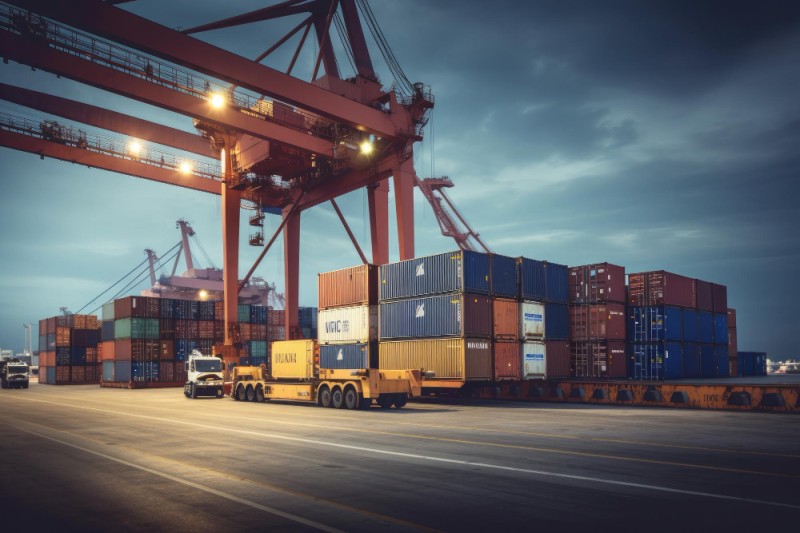
In a move to enhance regional trade efficiency, Sharjah has introduced a comprehensive logistics corridor with Oman, reducing cargo transit times from almost three months to a mere 35 days. This initiative is aimed at boosting supply chain efficiency, cutting transportation expenses, and fortifying trade connections between the United Arab Emirates, Oman, and broader regional markets. The corridor strategically links Sharjah to Oman’s prominent ports including Sohar, Duqm, and Salalah through the Khatmat Malaha and Al Madam border crossings. Authorities anticipate even quicker transit times as the corridor’s operations evolve.
The corridor, which became operational on May 14, is designed to facilitate seamless cargo movement in both directions. It features coordinated customs procedures, real-time data exchange, and dedicated fast-track shipment lanes. To incentivize the use of this new route, Sharjah has waived tolls for cargo trucks that utilize the approved routes from Oman. Additionally, businesses benefit from expedited customs clearances and the convenience of completing customs processes at inland container terminals rather than directly at border crossings.
Officials project that logistics costs could see a reduction of approximately 15%, subject to the type of cargo and specific transportation needs. This development is particularly advantageous for manufacturers, as it accelerates the transportation of raw materials and finished goods. The initiative aligns with Sharjah’s strategic objective to bolster its status as a regional logistics and manufacturing hub. With over 3,000 factories contributing about a quarter of the emirate’s GDP, the enhanced trade route promises to elevate exports and lure international investors targeting markets in Africa, India, and Asia.
The new logistics corridor represents a significant improvement in the region’s infrastructure, offering a streamlined and cost-effective solution for freight movement. As operations advance, the corridor is expected to further optimize transit times, enhancing the economic ties between the UAE and Oman. This project not only supports local manufacturing but also positions Sharjah as a pivotal player in the regional trade landscape, potentially attracting increased foreign investment and expanding market access.